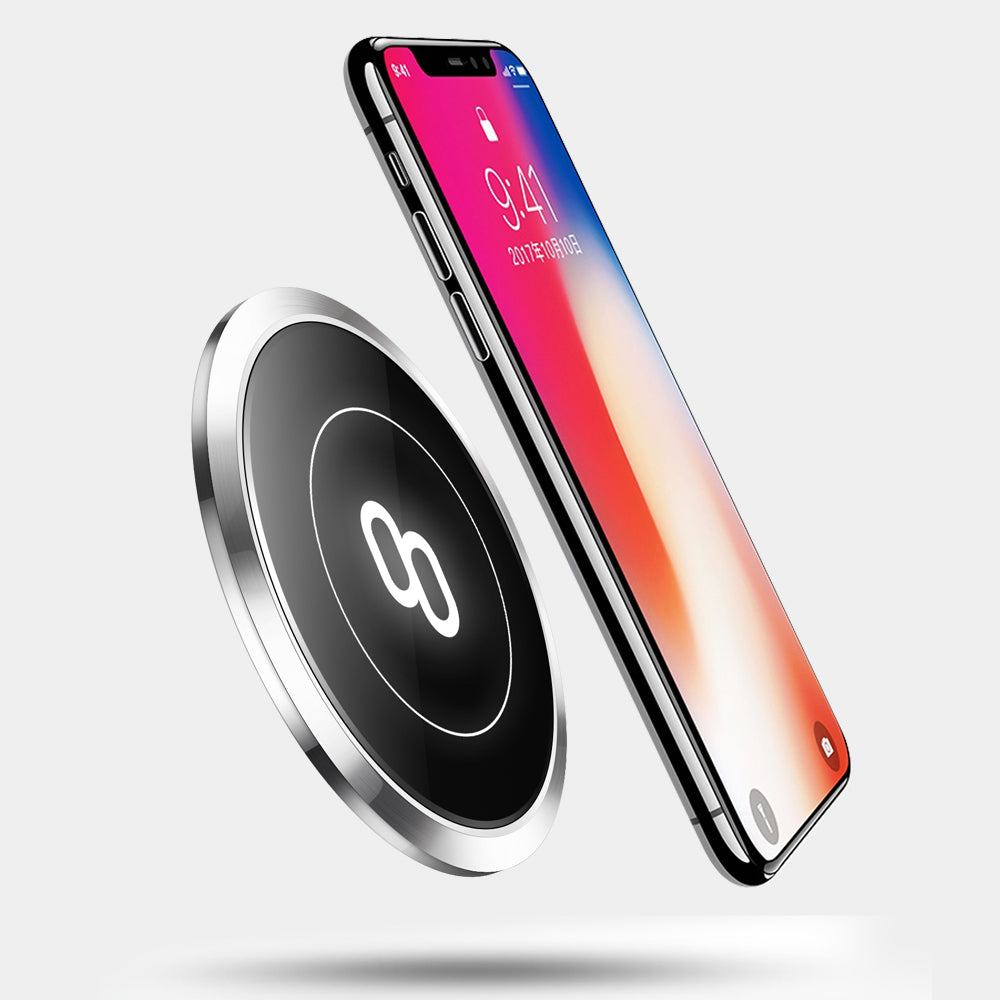
How Does Qi Charging Work? Understanding the Technology Behind Wireless Power
Qi charging, also known as wireless charging, utilizes electromagnetic fields to transfer energy between two objects. At the core of this technology is the principle of induction, where an electric current is generated in the receiver coil of a device when it is placed in close proximity to the transmitter coil in the charging station. This process begins when an alternating current is passed through the transmitter coil, creating a magnetic field. As the receiver coil enters this magnetic field, it induces an electric current, which is then converted back into direct current (DC) to charge the device's battery.
One of the main advantages of Qi charging is its convenience, allowing users to simply place their devices on a charging pad without worrying about plugging in cables. Compatibility is another key aspect, as many smartphones and accessories now come equipped with Qi technology, making it easier to share charging stations among different devices. However, it’s important to note that while Qi charging is incredibly efficient for short distances, it typically operates at lower power levels compared to traditional wired charging. As the technology continues to evolve, improvements in speed and range are anticipated, further enhancing the user experience.
Counter-Strike is a popular tactical first-person shooter game that emphasizes teamwork and strategy. Players are divided into two teams: the terrorists and the counter-terrorists, each with specific objectives to complete. For gaming enthusiasts looking for the best gaming accessories, check out the Top 10 Wireless Charging Pads to enhance your gaming experience.
The Benefits of Qi Chargers: Why You Should Switch to Wireless Charging
Wireless charging technology, commonly known as Qi charging, has revolutionized the way we power our devices. The primary benefit of switching to wireless charging is the sheer convenience it offers. With Qi chargers, you can simply place your smartphone or other compatible device on a charging pad without the hassle of dealing with tangled cords or searching for a charging port. This ease of use not only saves time but also reduces wear and tear on charging cables, extending the longevity of your devices.
Another significant advantage of Qi chargers is their compatibility with a growing number of devices. As more manufacturers adopt this technology, users can enjoy a seamless charging experience across various gadgets, from smartphones and smartwatches to wireless earbuds and even laptops. Additionally, many Qi chargers come equipped with features like fast charging and built-in safety measures to prevent overheating, making them a reliable choice for your daily charging needs. Embracing wireless charging not only future-proofs your tech but also enhances your overall user experience.
Common Myths About Qi Charging: Debunking Misconceptions
Qi charging, a popular wireless charging standard, has been surrounded by various myths that can mislead consumers. One common misconception is that Qi charging is significantly slower than traditional wired charging. In reality, while it's true that most Qi chargers offer lower wattage compared to their wired counterparts, advancements in technology have led to the development of fast Qi chargers that can deliver power at comparable rates. According to numerous tech reviews, high-quality Qi chargers can efficiently charge devices in a reasonable timeframe, making them convenient and practical for everyday use.
Another prevalent myth is that using a Qi charger can harm your device's battery life. This belief is often rooted in the fear that heat generated during the charging process will lead to battery degradation. However, reputable Qi chargers are designed with features like temperature control and overcurrent protection to ensure they safely charge your device without causing damage. Many smartphones also have built-in systems that manage battery health efficiently during wireless charging, dispelling the notion that Qi charging is inherently harmful to battery longevity.