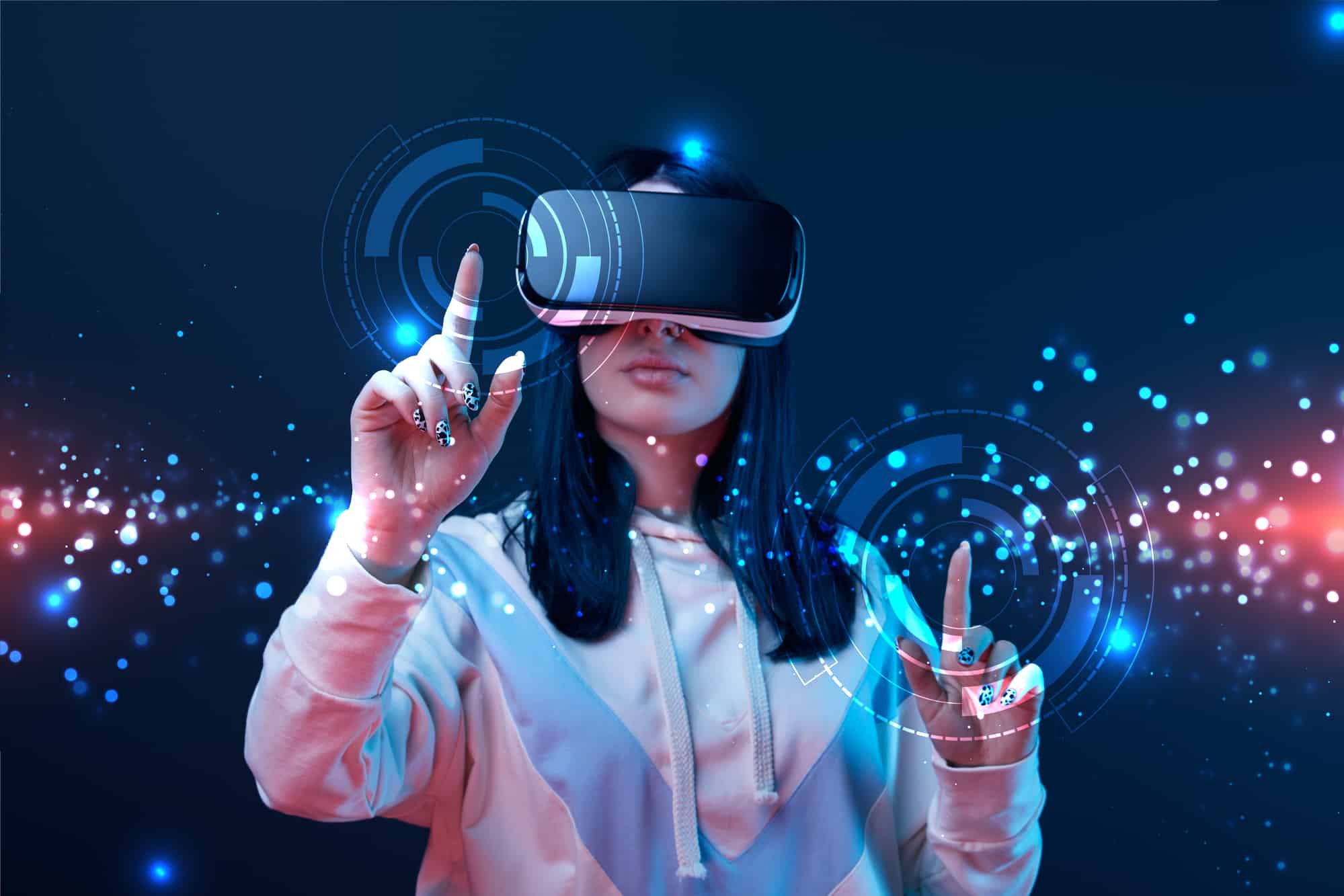
Is Virtual Reality the Future of Human Experience?
Virtual Reality (VR) is rapidly transforming the way we interact with digital environments, offering an immersive experience that has the potential to revolutionize various sectors, including education, healthcare, and entertainment. As technology continues to advance, VR is not just seen as a novelty but as a cornerstone of the future human experience. With applications ranging from virtual classrooms that simulate real-world scenarios to therapeutic environments that assist in mental health treatment, the possibilities are expanding. This shift raises the question: is virtual reality merely a trend, or is it the future of how we live, learn, and interact?
Moreover, the integration of virtual reality into everyday life promises to redefine social interactions. Platforms are emerging where friends can gather in a virtual space to watch movies, attend concerts, or even participate in meetings as if they were physically together. In this sense, VR could enhance the sense of presence, making geographical boundaries irrelevant and opening doors to a more connected world. As developers and creators continue to push the boundaries of this technology, it becomes increasingly likely that virtual reality is not just a passing phase but a significant component of our evolving human experience.
Counter-Strike is a popular first-person shooter game that emphasizes team-based gameplay and strategic planning. Players choose to fight as either terrorists or counter-terrorists in various game modes that often involve bomb defusal or hostage rescue. For those looking to enhance their gaming experience, check out the Top 10 iphone 17 accessories that can elevate your setup.
How Artificial Intelligence is Reshaping Our Perception of Truth
The advent of Artificial Intelligence has significantly altered our understanding of truth in the digital age. With AI algorithms capable of analyzing vast amounts of data, we find ourselves in a world where information is both abundant and, at times, misleading. As machine learning models learn from patterns in data, they inadvertently shape our perceptions by prioritizing certain narratives over others. This raises critical questions about the reliability of the information we consume. Can we still trust what we see online, or is our perception of truth becoming increasingly convoluted by the very technologies designed to inform us?
Moreover, the proliferation of deepfakes and AI-generated content is blurring the lines between fact and fiction. A study published in 2022 revealed that nearly 70% of respondents found it challenging to differentiate between real and artificial media. As we navigate this complex landscape, educating ourselves and promoting digital literacy becomes essential. To combat misinformation, individuals should engage critically with content, verify sources, and understand the underlying algorithms that dictate what we encounter online.
The Rise of Deepfakes: Should We Trust What We See?
The advent of deepfake technology has sparked a significant debate about authenticity and trust in digital media. Deepfakes, which utilize advanced artificial intelligence to create hyper-realistic videos that manipulate reality, raise critical questions about the reliability of what we see. As these deepfakes become more sophisticated, distinguishing between genuine content and fabricated media is increasingly challenging. Public figures, private individuals, and corporations have all faced the risk of being misrepresented through these realistic simulations, prompting legal and ethical dilemmas about the consequences of misinformation.
As we navigate the rise of deepfakes, it becomes crucial for consumers and creators alike to develop a discerning eye for media consumption. Should we trust what we see? To address this question, it is essential for society to adopt new strategies for verifying information. This may involve relying on technology that can detect manipulations, fostering digital literacy among the public, and promoting awareness of the potential impacts of deepfakes. Ultimately, the responsibility lies not only with content creators but also with consumers to scrutinize the media they engage with closely.