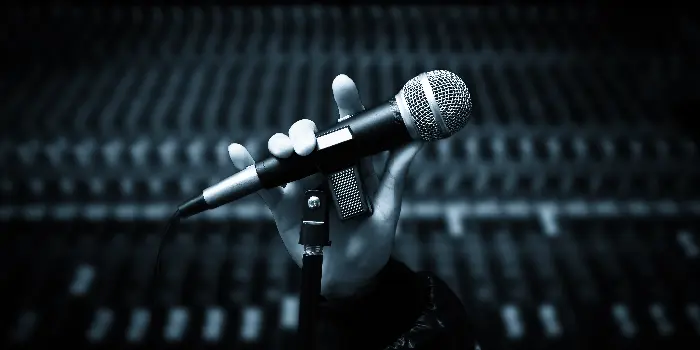
Exploring the Sensory Shift: Why Audio Captivates Us More Than Visuals
In today's digital age, the manner in which we consume content has evolved significantly. Audio has emerged as a compelling medium that captivates audiences, often more effectively than visual elements. Studies indicate that auditory stimuli engage our brains differently, activating emotional and cognitive responses that visuals alone cannot achieve. This is largely due to the immersive nature of audio, which creates a personal experience that can transport listeners into various scenarios. The rhythmic flow of language, combined with tone and inflection, has the power to sway our emotions, making audio not just a communication tool but an art form that resonates deeply with its audience.
Furthermore, the flexibility of audio allows it to fit seamlessly into our fast-paced lives. Unlike visual media, which often demands focused attention, audio can be consumed while multitasking, making it particularly appealing in today’s busy society. According to research, people are more likely to remember information presented in an auditory format, as it enhances retention and recall. This sensory shift underscores why platforms like podcasts and audiobooks have surged in popularity. By tapping into our innate connection to sound, audio enriches our experience and fosters a profound engagement that visuals alone occasionally lack.
Counter-Strike is a popular tactical first-person shooter series that emphasizes teamwork and strategy. Players can choose between two teams, Terrorists and Counter-Terrorists, to complete various objectives such as bomb defusal or hostage rescue. To enhance your gaming experience, consider investing in high-quality audio gear, including the Top 10 iPhone microphones, which can significantly improve communication during gameplay.
Soundscapes in the Digital Age: Understanding Our Evolving Relationship with Audio
In the digital age, our relationship with audio has transformed dramatically, redefining the concept of soundscapes. Gone are the days when sound was confined to our immediate environment or a physical medium like vinyl records and cassette tapes. Today, we can curate our auditory experience from an almost limitless array of sources, from streaming platforms to personalized playlists. This shift has enabled individuals to experience sound in innovative ways, allowing us to design our own unique soundscapes that reflect our tastes and emotions.
Moreover, the evolution of technology has introduced immersive audio experiences that deepen our connection with sounds, transcending the boundaries of traditional listening. Virtual reality (VR) and augmented reality (AR) have opened doors to environments where sound can fully engage our senses, creating spaces where we feel more connected and aware of our surroundings. As we continue to navigate this ever-changing landscape, understanding our evolving relationship with audio becomes crucial, prompting us to reflect on how soundscapes influence our daily lives, from enhancing productivity to fostering relaxation.
Is Audio the Future of Engagement? Rethinking Multimedia Consumption
As technology continues to evolve, the question of whether audio is the future of engagement becomes increasingly relevant. With the rise of podcasts, audiobooks, and voice-activated devices, consumers are shifting their preference towards auditory content. This trend is not merely a fleeting phase; data shows that multimedia consumption is escalating, particularly among younger audiences who value immersive storytelling and hands-free experiences. In fact, recent studies indicate that listeners are more likely to engage with brands when they experience content in audio format, as it fosters a deeper connection than traditional text or video.
Furthermore, the convenience of audio allows users to absorb information while multitasking—whether commuting, exercising, or doing household chores. This adaptability sets audio apart from other forms of media, making it a powerful tool for marketers and content creators aiming to capture attention in a crowded digital landscape. As we rethink how we deliver content, embracing audio as a central component of our strategies could lead to higher engagement rates and stronger relationships with audiences. The future of multimedia consumption is not just visual; it's auditory, and it's time to tune in.