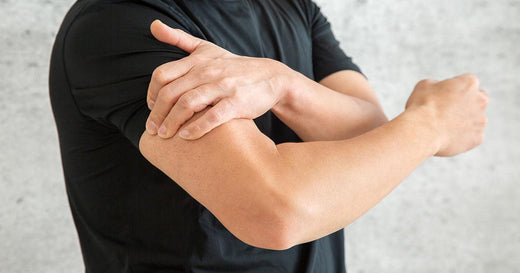
Understanding the Basic Anatomy of the Human Arm: A Comprehensive Overview
The human arm is a complex structure that plays a vital role in our ability to perform everyday tasks. It comprises several key components, including the humerus, ulna, and radius, which are the main bones that provide support and mobility. Additionally, the arm is equipped with various muscles, tendons, and ligaments that enable movement and strength. Key muscles such as the biceps brachii and triceps brachii work in harmony to allow for flexion and extension of the elbow joint, making it crucial for actions like lifting and carrying.
Furthermore, the anatomy of the human arm is intricately designed to provide a wide range of motion. The shoulder joint, formed by the connection of the humerus with the scapula, is one of the most mobile joints in the body. This mobility allows for various movements such as rotation, abduction, and adduction, making the human arm versatile for diverse tasks. Understanding the basic anatomy of the human arm not only enhances our appreciation of its functionality but also highlights the importance of maintaining arm health through exercises and proper ergonomics.
If you're looking to enhance your tablet experience, check out the Top 10 Tablet Holder Arms available on the market. These versatile holders provide the perfect solution for comfortable viewing and hands-free use, making them a must-have accessory for any tablet user. Whether you're using your tablet for work, entertainment, or video calls, there’s a holder that fits your needs perfectly.
The Muscles of the Arm: How They Work Together for Movement
The muscles of the arm are a complex system that work together to facilitate a variety of movements, from lifting heavy objects to performing delicate tasks. The primary muscles involved include the biceps brachii, triceps brachii, and brachialis. Each of these muscles plays a specific role in arm movement: the biceps brachii, located at the front of the upper arm, is responsible for flexing the elbow and rotating the forearm. Conversely, the triceps brachii, found at the back of the arm, is essential for extending the elbow. Understanding these key players is crucial for anyone interested in improving their strength and functionality.
In addition to the main muscles, several smaller muscles, such as the brachioradialis and anconeus, also contribute to the overall movement of the arm. The coordinated action of these muscles is vital for achieving tasks that require precision and strength. When performing actions involving the arm, such as throwing or lifting, the muscles of the arm engage in a series of contractions and relaxations, working in concert to execute the desired motion. This harmonious interaction not only prevents injury but also enhances athletic performance by allowing for greater control and power.
Common Injuries and Conditions Affecting Arm Anatomy: What You Need to Know
The human arm is a complex structure made up of bones, muscles, tendons, and ligaments, making it vulnerable to a variety of injuries and conditions. Common injuries affecting arm anatomy include fractures, which can occur due to falls or direct impacts, and strains, often resulting from overuse or improper lifting techniques. Additionally, conditions such as tendinitis and carpal tunnel syndrome can emerge from repetitive motions, leading to inflammation and pain that can severely limit daily activities.
In order to maintain arm health and prevent injuries, it is crucial to incorporate stretching and strengthening exercises into your routine. Here are a few key tips to consider:
- Warm Up: Always warm up before any physical activity to prepare your muscles.
- Use Proper Form: Ensure you are using the correct technique when lifting or performing any manual tasks.
- Rest and Recover: Allow adequate recovery time to prevent overuse injuries.
By being aware of these common injuries and taking preventive measures, you can keep your arms healthy and functioning optimally.