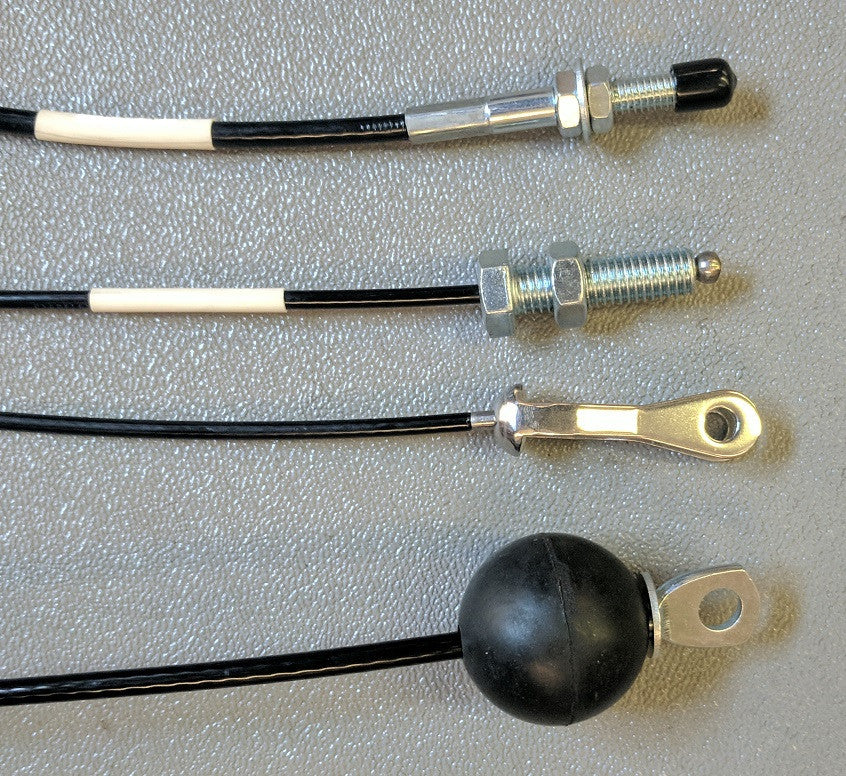
Top 5 Factors to Consider When Choosing a Replacement Cable
When selecting a replacement cable, there are several key factors to consider to ensure optimal performance and compatibility. First, cable type is paramount. Depending on your devices, you may need a specific type of cable, such as USB, HDMI, or audio cables. Each type serves a different purpose and is designed to handle various data transfer speeds and audio/video quality. Second, it's crucial to evaluate the length of the cable. Longer cables can provide flexibility in setup but may lead to signal loss, especially in digital cables. Therefore, always choose a length appropriate for your needs.
Another important factor is the brand reputation. Opting for well-known brands can reduce the risk of purchasing subpar products. Additionally, consider the material quality of the cable, as higher quality materials often lead to better durability and performance over time. Lastly, take into account the price versus quality spectrum. While it's tempting to go for the cheapest option, investing a bit more in a reliable cable can save you from frequent replacements and ensure a better user experience.
Counter-Strike is a highly popular first-person shooter game that emphasizes teamwork and strategic gameplay. Players can choose to play as terrorists or counter-terrorists in various game modes, each requiring different tactics to achieve victory. For gamers seeking high-quality audio for a more immersive experience, check out our Top 10 Headphone Cable Replacements to enhance your gaming setup.
The Ultimate Guide to Understanding Cable Specifications
Understanding cable specifications is essential for anyone looking to optimize their electronic installations or upgrades. One of the first factors to consider is the cable type, which can significantly impact performance. Common types include HDMI, USB, and Ethernet. Each has its own set of standards and maximum transfer rates, so it’s critical to choose the right one for your needs. The gauge of the cable, measured in AWG (American Wire Gauge), also plays a pivotal role; a lower number indicates a thicker wire that can carry more current over longer distances.
The insulation of the cable is another vital specification. It protects the wires from external interference and ensures safe operation. When evaluating insulation types, look for those marked with UL or CSA ratings, which denote compliance with safety standards. Additionally, consider the length of the cable; longer cables may lead to signal degradation, so always strive for the shortest distance possible between devices. For the best results, familiarize yourself with the intricacies of cable specifications to enhance both functionality and safety in your technological setups.
How to Identify the Right Replacement Cable for Your Devices
Identifying the right replacement cable for your devices can seem daunting, but understanding the factors to consider can simplify the process. First, check the device specifications to determine the correct cable type, such as USB-C, HDMI, or Lightning. Each device usually specifies the compatible cable in its user manual or on the manufacturer's website. Additionally, pay attention to the cable length, as a cable that is too short or too long might not suit your needs. Lastly, determine whether you need a cable that supports fast charging or data transfer speeds if these features are significant for your usage.
Next, evaluate the quality of the cable you plan to purchase. Read reviews or seek recommendations to ensure you choose a cable that is both durable and reliable. Check for certifications, such as MFi for Apple products or USB-IF certification for USB cables, to confirm they meet industry standards. By focusing on these aspects:
- Device specifications
- Cable length
- Quality and certifications