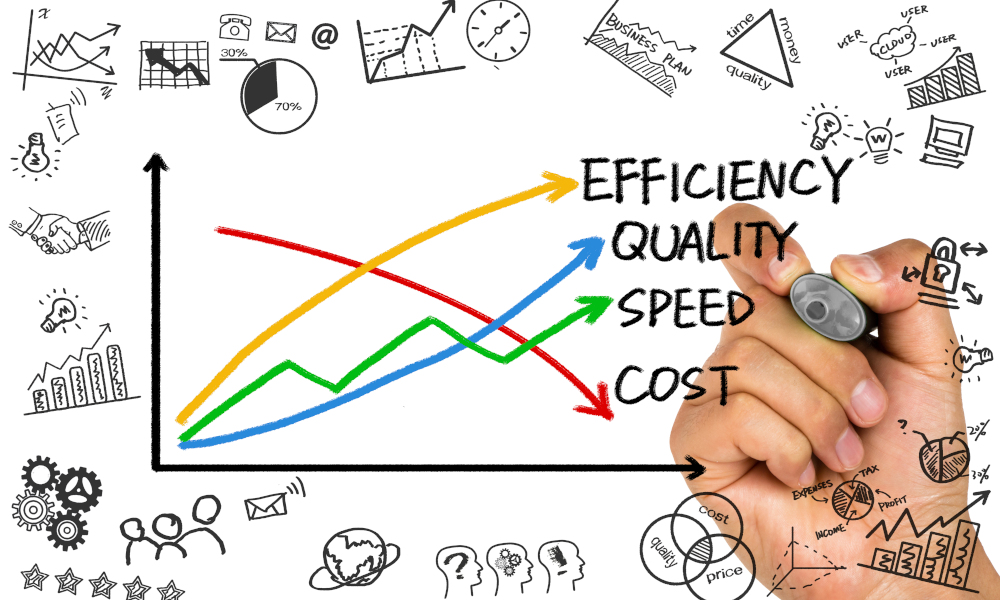
10 Everyday Habits to Boost Your Efficiency
Boosting your efficiency doesn't have to involve monumental changes. In fact, adopting simple **everyday habits** can significantly enhance your productivity. Start with setting clear goals for each day. This can help you prioritize tasks and focus on what truly matters. Consider using a planner or digital tool to outline your tasks; seeing them in black and white can motivate you to tackle them head-on.
Another habit to consider is allocating specific blocks of time for tasks, a technique known as time blocking. This method allows you to dedicate uninterrupted time to each task, minimizing distractions. Additionally, make it a habit to limit multitasking. Studies show that focusing on one task at a time can lead to higher efficiency and better results.
Counter-Strike is a popular tactical first-person shooter game that has garnered a massive following since its release. Players engage in team-based combat, where one team takes on the role of terrorists while the other plays as counter-terrorists. The game's competitive nature and emphasis on strategy have led to a thriving esports scene, making it one of the most played games globally. For those looking to enhance their gaming experience, checking out the Top 10 mac accessories for productivity might be beneficial.
How to Identify Time-Wasting Activities in Your Daily Routine
Identifying time-wasting activities is essential for improving productivity and maximizing your efficiency. Start by keeping a detailed log of your daily activities for at least a week. This will help you spot patterns and recurring tasks that might not contribute to your overall goals. Consider categorizing your tasks into productive, neutral, and wasting time. By visually mapping your activities, you can prioritize what truly matters and eliminate or delegate tasks that divert your attention from high-impact work.
Next, ask yourself some critical questions about your routine. Are there specific times of day when you find yourself distracted or less productive? Take a moment to reflect on these questions:
- Which tasks consistently take longer than expected?
- What activities do I dread or procrastinate on?
- Are there distractions, such as social media or excessive meetings, that interrupt my workflow?
By understanding these aspects, you can implement strategies to minimize time-wasting activities, such as setting strict time limits for non-essential tasks or using productivity tools to streamline your workflow.
Efficiency vs. Productivity: What’s the Difference and Why It Matters
Efficiency and productivity are terms often used interchangeably, but they refer to different concepts that are crucial for personal and organizational success. Efficiency is about doing tasks in the most economical way possible, with minimal waste of resources such as time, money, and materials. It emphasizes how well resources are utilized to achieve a specific outcome. For instance, an efficient employee might complete a project in less time without compromising quality, using tools and methods that reduce unnecessary effort.
On the other hand, productivity focuses on the quantity of output relative to the input used. It measures how much is produced within a specific period. High productivity means that you're producing more with the same amount of resources. However, if productivity comes at the cost of efficiency—such as rushing tasks and incurring higher expenses—it could lead to issues in the long run. Understanding the difference between the two is vital, as it helps individuals and organizations identify areas for improvement. Balancing efficiency and productivity can lead to sustainable growth and a better work environment.