Top 10 Packing Essentials for a Stress-Free Move
Moving to a new home can often be a chaotic experience, but with the right planning, you can ensure a smooth transition. One of the most crucial parts of moving is knowing what to pack. Here are the top 10 packing essentials for a stress-free move that will make the process much smoother:
- Boxes: Begin with sturdy boxes in various sizes to accommodate different types of items.
- Bubble Wrap or Packing Paper: Protect fragile items with cushioning to avoid damage.
- Clothing Bins: Use bins or suitcases for clothing to save on box space and simplify packing.
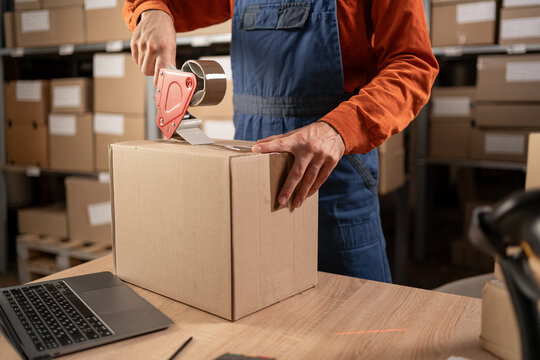
- Tape: Invest in durable packing tape; this is essential for securing boxes.
- Markers: Label boxes clearly with contents and the room they belong to for easy unpacking.
- Scissors: Keep a pair handy for quick access when sealing boxes or cutting tape.
- Plastic Wrap: Great for wrapping furniture to prevent scratches during the move.
- Tools: A basic toolset is useful for disassembling furniture and fixtures.
- Cleaning Supplies: Don’t forget cleaning products for your current and new home.
- Snacks and Water: Stay energized and hydrated during the moving process.
Counter-Strike is a highly popular first-person shooter game that has captivated millions of players around the world since its inception. Known for its strategic gameplay and team-based mechanics, it has become a staple in competitive gaming. Players often find themselves immersed in intense matches, where communication and strategy play crucial roles in securing victory. If you're looking for ways to stay organized while traveling, check out the Top 10 Travel Electronics Organizers to keep your gear in order.
How to Label Your Boxes Like a Moving Expert
When it comes to moving, one of the most crucial steps is labeling your boxes effectively. A well-organized labeling system can save you time and effort when unpacking at your new home. Start by using a permanent marker to clearly write the room that the box belongs to, such as 'Kitchen', 'Bedroom', or 'Living Room'. Additionally, consider creating a color-coded system where each room has a designated color. This can make it even easier to identify which boxes go where, especially if you have a lot of them. Remember to also include a brief description of the contents in the box, such as 'Pots and Pans' or 'Office Supplies', to further streamline your unpacking process.
Another helpful tip for labeling your boxes like a moving expert is to number each box and keep a master list. By assigning a number to each box, you can quickly reference what’s inside without having to open every single one. For instance, label Box 1 as 'Kitchen - Pots & Pans', Box 2 as 'Living Room - Books', and so on. Keep a master inventory list in your moving folder or on your phone to track these numbers and their contents. This strategy not only alleviates the stress during the moving process but also ensures that you won’t forget any essential items. With a little preparation and organization, you’ll be able to move like a pro!
Packing Hacks: What to Do with Fragile Items
Packing fragile items can be challenging, but with the right packing hacks, you can ensure that your valuables arrive at their destination in one piece. Start by gathering your materials, including bubble wrap, packing paper, and sturdy boxes. Begin by wrapping each fragile item separately in bubble wrap, securing it with tape to provide a cushioning layer. For items like dishes or glassware, consider using a padded box where each item can be placed upright rather than stacking them flat, as this minimizes the risk of breakage.
When packing fragile items, it's essential to utilize space efficiently while providing extra protection. Use crumpled packing paper or foam peanuts at the bottom of the box to create a cushion. Place your wrapped items inside and fill any gaps with additional packing materials. It’s also a good idea to label the boxes clearly with “FRAGILE” stickers, ensuring that anyone handling your items will treat them with care. Lastly, consider taking photographs of delicate antiques or heirlooms before packing, as this can be helpful for insurance purposes, should any damage occur.