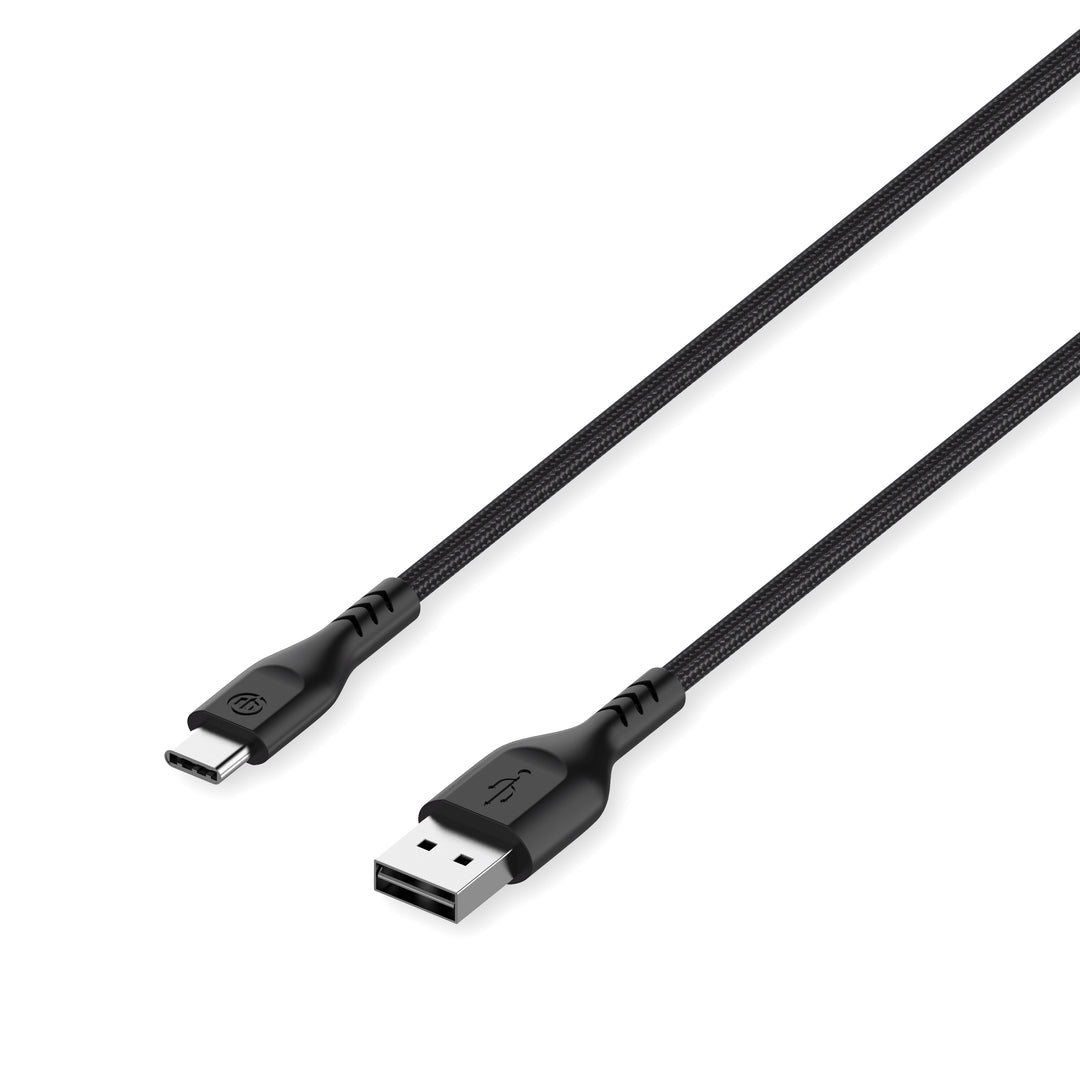
Understanding USB Cable Types: Which One is Right for Your Device?
When it comes to USB cable types, understanding the differences is crucial for ensuring compatibility with your devices. The most common types include USB-A, USB-B, USB-C, and Micro USB. Each type serves a unique purpose, with USB-A being the standard rectangular connector found in most computers and chargers. In contrast, USB-C is becoming increasingly popular due to its reversible design and ability to transfer both power and data at higher speeds. To help you choose the right cable, consider the following features:
- Device compatibility
- Data transfer speeds
- Power delivery capabilities
Another factor to consider is the length of the USB cable, as longer cables can lead to signal degradation. This is particularly important for applications requiring high-speed data transfer. For example, USB 3.0 and USB 3.1 cables are designed for faster data rates, making them ideal for external hard drives and other peripherals. Moreover, always check your device’s specifications to avoid purchasing an incompatible cable. Making an informed decision will not only enhance your user experience but also prolong the life of your devices.
Counter-Strike is a popular tactical first-person shooter that focuses on team-based gameplay, where players can choose to play as either terrorists or counter-terrorists. The game emphasizes strategy, communication, and skill, making it a favorite among competitive gamers. For gamers looking for reliable gear, check out the Top 10 Short Charging Cables to enhance your gaming experience.
The Importance of Quality in USB Cables: What You Need to Know
When it comes to electronic devices, the quality of USB cables plays a crucial role in ensuring optimal performance and longevity. High-quality USB cables are designed to support fast data transfer speeds and efficient charging, which is increasingly important as devices such as smartphones, tablets, and laptops require more power to function effectively. Additionally, using a subpar cable can lead to issues like overheating, data loss, and even damage to your devices. Therefore, investing in reputable brands and cables that meet industry standards is not just recommended—it's essential.
There are several factors to consider when assessing the quality of a USB cable. First, cable construction is key; look for cables with durable materials that prevent wear and tear. Second, compatibility is vital; ensure that the cable you choose is designed for your specific devices to avoid connectivity issues. Lastly, read user reviews and consider ratings before making a purchase, as they can provide valuable insight into the performance you can expect. By prioritizing quality in USB cables, you protect your devices and enhance your overall user experience.
Common USB Cable Issues and How to Troubleshoot Them
Common USB Cable Issues can be frustrating, especially when you're trying to charge your devices or transfer data. Some of the most frequently encountered problems include:
- Loose Connections: Over time, USB ports can become loose, leading to intermittent connections. Ensure that both the USB cable and port are clean and free from debris.
- Cable Damage: Inspect your cable for any signs of wear and tear, such as fraying or kinks. If you notice any damage, it may be time to replace your cable.
- Incompatibility: Not all USB cables support the same functions. Check that the cable you are using is compatible with your device’s specifications.
To troubleshoot USB cable issues, start by testing the cable with different devices. If it works with one device but not another, the problem might lie with the device rather than the cable. Additionally, try using a different USB port on the same device to rule out port issues. If the problem persists, consider the following steps:
- Restart Your Devices: Sometimes a simple restart can fix connection issues.
- Update Drivers: Ensure all relevant drivers are up to date, as outdated drivers can cause connectivity problems.
- Replace the Cable: If all else fails, replacing the USB cable is often the simplest solution.