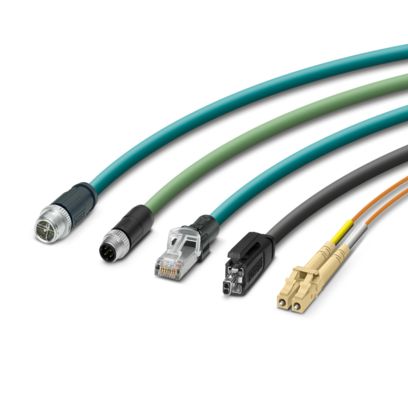
The Essential Guide to Understanding Different Types of Cables for Your Devices
In today's tech-driven world, understanding different types of cables for your devices is essential for optimizing performance and connectivity. From USB cables that charge your smartphones to HDMI cables that connect your television to your laptop, each type serves a specific purpose. Here are some of the most common types of cables you'll encounter:
- USB Cables: Used for charging and transferring data.
- HDMI Cables: Primarily used for video and audio transmission between devices.
- Ethernet Cables: Essential for wired internet connections, providing stability and speed.
- Audio Cables: Necessary for connecting speakers and audio devices.
When selecting the right cable for your devices, consider the compatibility and data transfer capabilities. For instance, newer devices may require USB-C cables for optimal performance, while older devices might still utilize USB-A interfaces. It is also crucial to check for cable ratings, such as HDMI version or USB power delivery, to ensure they meet your specific needs. A well-informed choice can enhance your device's functionality and longevity, making the understanding of different types of cables an indispensable part of your tech knowledge.
Counter-Strike is a popular team-based first-person shooter game that focuses on objective-driven gameplay. Players can choose to be part of either the terrorist or counter-terrorist teams, engaging in various missions that often involve bomb defusal or hostage rescue. For gamers seeking a reliable charging solution for their devices, check out the Top 10 iphone charging cables to keep your gaming sessions uninterrupted.
How Cables Impact Your Digital Experience: The Hidden Factors
The way you interact with the digital world is significantly influenced by the type of cables you use. These often-overlooked components play a crucial role in the overall performance of your devices. For instance, HDMI cables can affect the clarity and resolution of your video output, while Ethernet cables determine the speed and stability of your internet connection. Choosing the wrong cable can lead to lagging videos, pixelated images, and frustratingly slow download speeds. Thus, understanding the different categories of cables and their specifications is essential for enhancing your digital experience.
Moreover, it's not just about the cables themselves; the quality and compatibility of these connections can dramatically change your device's capability. Using a high-speed USB cable can speed up data transfer rates and improve charging times, while outdated or damaged cables can cause interruptions and inefficiencies. In addition to performance, cables also introduce variables such as electromagnetic interference, which can degrade signal quality. Therefore, paying attention to these hidden factors can make all the difference in achieving a seamless and enjoyable digital experience.
Are You Choosing the Right Cables? Key Considerations for Optimal Performance
When it comes to ensuring optimal performance in your electronic setups, one of the most crucial factors is choosing the right cables. With a plethora of options available in the market, it’s essential to consider a few key factors. First, evaluate the type of cable you need based on the devices in use. For instance, if you're connecting devices that require high bandwidth, like 4K televisions or gaming consoles, opting for high-speed HDMI or DisplayPort cables is vital. Additionally, assess the cable length as longer cables can sometimes lead to signal degradation, reducing overall performance.
Another important consideration is the quality of materials used in the cables. Look for cables that utilize oxygen-free copper (OFC) for better conductivity and reduced interference. Reading reviews or checking for third-party certifications can help you gauge the reliability of the cables you're contemplating. Furthermore, don’t overlook the importance of shielding; a well-shielded cable minimizes electromagnetic interference, which is especially important in environments with multiple electronic devices. With these factors in mind, you can confidently select the right cables that will enhance your system's performance.