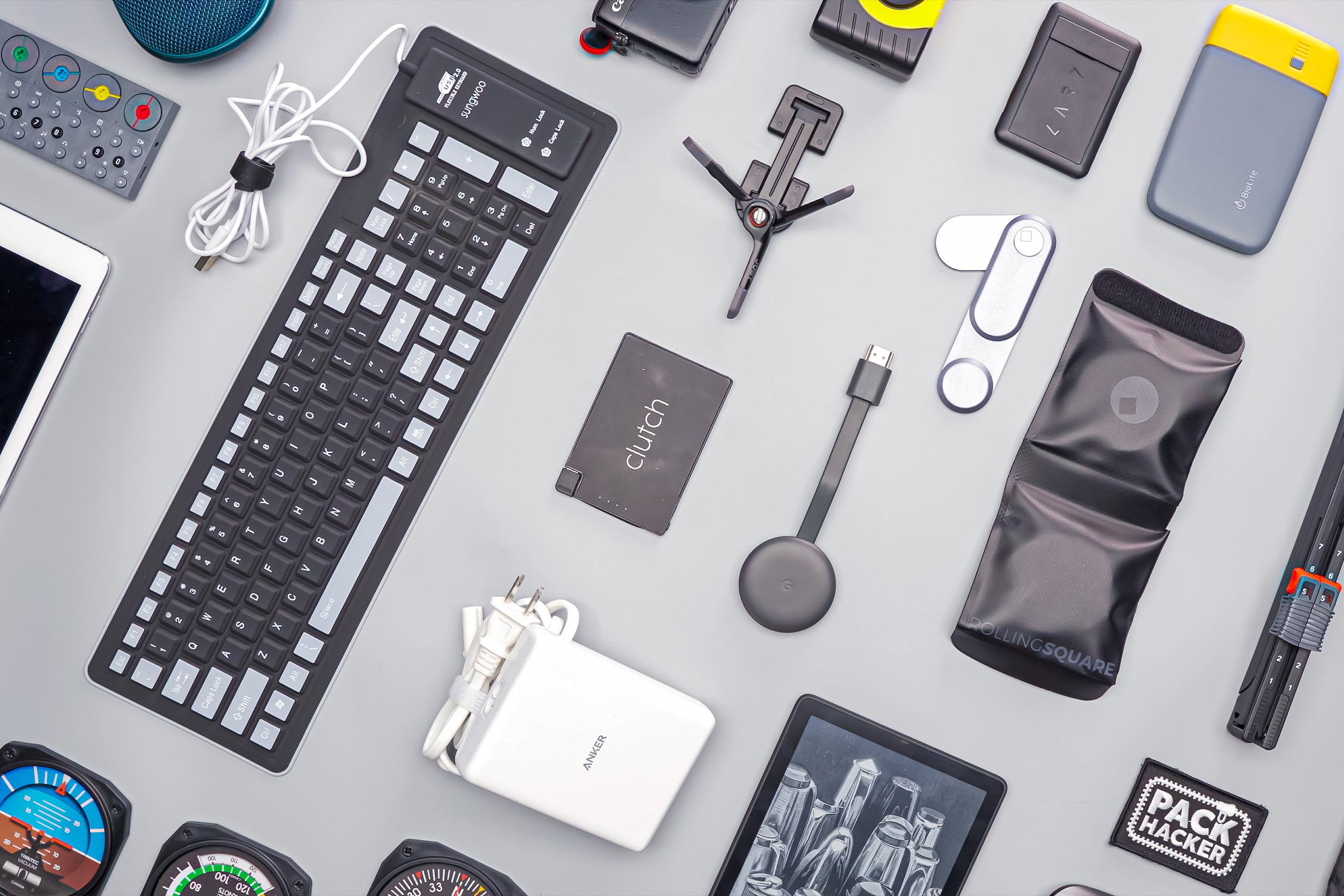
The Future is Here: 5 Tech Gadgets That Blur the Lines of Reality
The rapid evolution of technology has brought us incredible gadgets that not only enhance our daily lives but also challenge our perceptions of reality. From virtual reality headsets to augmented reality smart glasses, these devices are blurring the lines between the digital world and the physical one. Here are five tech gadgets that are redefining our interaction with reality:
- Oculus Quest 2: This standalone VR headset offers immersive gaming and social experiences, transporting users to entirely new worlds.
- Microsoft HoloLens 2: With its advanced AR capabilities, this headset allows users to overlay digital information onto their actual surroundings, revolutionizing industries like healthcare and construction.
- Apple Vision Pro: Apple's foray into AR with this high-end headset aims to seamlessly blend digital content into the real world, enhancing how we work and play.
- Magic Leap 1: This AR headset focuses on spatial computing, allowing users to interact with 3D holograms in their environment, pushing the boundaries of creativity.
- HTC Vive Pro 2: A powerful VR headset designed for serious gamers and developers, offering stunning graphics and a breathtaking immersive experience.
If you're looking to extend your USB-C connections, check out the Top 10 USB C Extension Cables available on the market. These cables offer enhanced flexibility and convenience for charging and data transfer. Make sure to choose a cable that meets your specific needs to ensure optimal performance.
Are We Living in a Simulation? Exploring Gadgets That Challenge Perception
The concept of living in a simulation has captivated both scientists and philosophers alike, prompting profound discussions about our reality. As technology advances, gadgets that blur the lines of perception have emerged, lending support to this intriguing hypothesis. From virtual reality headsets that immerse users in entirely fabricated worlds to augmented reality devices that overlay digital information onto our physical surroundings, the tools we employ can manipulate our senses in extraordinary ways. This phenomenon raises questions: Are we merely experiencing a sophisticated illusion, or is there a deeper truth to our existence?
Consider the recent surge of gadgets designed to enhance or alter perception. For example, platforms like Oculus Rift and Microsoft HoloLens allow users to engage with environments that challenge their understanding of reality, creating experiences that feel incredibly authentic yet artificial. Moreover, the emergence of smart glasses and immersive gaming technology showcase how these devices not only entertain but also provoke philosophical inquiries about our understanding of life. With each advancement, we must ask ourselves: Are these innovations merely entertaining, or do they serve as a window into the underlying structure of our reality?
Mind-Blowing Tech: How Virtual Reality is Redefining Our Experiences
Virtual Reality (VR) is no longer just a concept reserved for the realms of gaming and entertainment; it's a transformative technology that's redefining our experiences in various fields. From education to healthcare, VR is providing immersive environments that allow users to engage with content in ways that were previously unimaginable. For instance, in education, students can now take virtual field trips to historical sites or explore the human body in a 3D environment, making learning more interactive and accessible. According to recent studies, educational VR programs can increase retention rates by up to 75%, illustrating its powerful impact on how knowledge is retained and applied.
Moreover, virtual reality is gaining traction in sectors like real estate, where potential buyers can take virtual tours of properties, saving time and making informed decisions without the need for physical visits. Healthcare is another area experiencing a revolution, as VR is being used for pain management and therapeutic interventions. By immersing patients in calming virtual environments, hospitals report significant reductions in anxiety and pain during procedures. As VR technology continues to advance, its potential to redefine our experiences is boundless, paving the way for innovative applications that enhance our daily lives.