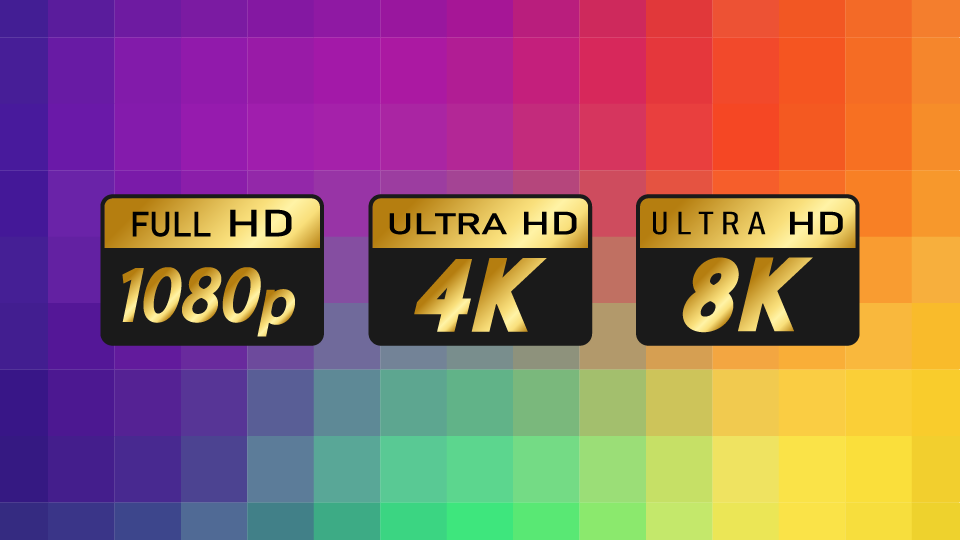
Top 5 Reasons Your Video Quality is Acting Up and How to Fix It
Experiencing poor video quality can be frustrating, especially when you're trying to enjoy your favorite show or stream important content. Here are the top 5 reasons your video quality is acting up:
- Slow Internet Connection: An unstable or slow internet connection can severely impact video quality. If you're streaming over Wi-Fi, try moving closer to the router or using a wired connection to boost stability.
- Incompatible Device: Sometimes, outdated devices or software can struggle to process high-definition video. Ensure your device supports the video format and consider updating your software for optimal performance.
- Background Applications: Running multiple applications simultaneously can consume bandwidth and processing power. Close unnecessary background apps to improve streaming quality.
- Video Source Quality: The quality of the video source itself affects playback. Always choose a higher resolution source when available to enhance your viewing experience.
- Network Congestion: Peak usage times can lead to network congestion, resulting in lower video quality. Try streaming during off-peak hours to see an improvement.
If you're facing issues with your video quality, follow these practical solutions to fix it:
- Check Your Internet Speed: Utilize speed testing tools to ensure your connection meets the requirements for the video quality you expect.
- Update Your Devices: Regularly update your devices and applications to ensure compatibility with modern streaming standards.
- Optimize Network Settings: Change your router settings or switch to a less congested channel to enhance your Wi-Fi signal.
- Upgrade Your Plan: If slow internet is a frequent issue, consider upgrading your plan with your Internet Service Provider for enhanced performance.
- Clear Cache: Regularly clear the cache from your streaming applications to eliminate old data that may hinder playback.
Counter-Strike is a popular first-person shooter game that emphasizes teamwork and strategy. Players can choose to be part of a terrorist or counter-terrorist team, each with unique objectives. It's not just about shooting; understanding map layouts and communication with teammates is crucial for victory. If you're looking to enhance your gaming experience, check out these Top 10 Phone Accessories for YouTube that can help elevate your content creation.
Is Your Video Quality Stealing the Spotlight? Here’s How to Bring It Back in Line
In today's digital landscape, video quality plays a crucial role in capturing your audience's attention. Poor resolution, inconsistent lighting, and distracting audio can undermine even the most compelling stories. If you find that your content is failing to engage viewers, it may be time to evaluate and enhance your video quality. Start by ensuring that your recordings are made in at least 720p resolution and that your lighting setup is adequate. For outdoor shoots, aim for overcast days or golden hour light, and for indoor settings, invest in softbox lights to create a more professional look.
Additionally, audio quality is just as important as visual clarity. Viewers are likely to disengage if they struggle to hear or understand your content. Consider using a dedicated microphone, as built-in camera mics often capture unwanted background noise. Editing is also key; use software to cut out moments that detract from the viewing experience, add background music to create ambiance, and be sure to adjust audio levels for consistency. With these enhancements, you can ensure that your video quality doesn’t steal the spotlight, but rather supports your message and keeps your audience coming back for more.
What’s Causing Your Video Quality Issues? Common Culprits and Smart Solutions
When it comes to video quality issues, there are several common culprits that can significantly affect your viewing experience. One of the primary reasons for poor video quality is a slow Internet connection. If your bandwidth is limited, the video may buffer frequently or might not stream at its highest resolution. Additionally, outdated hardware, such as a slow processor or insufficient RAM, can struggle to render high-definition videos smoothly. Other factors include streaming platform settings, where the selected resolution may not match your connection speed, leading to low-quality playback. Lastly, if you are using a shared network, the bandwidth consumption from other devices could also hamper your video quality.
To tackle these issues efficiently, you can implement a few smart solutions. Firstly, consider upgrading your Internet plan to a higher bandwidth package, which will significantly improve streaming quality. You should also check your device specifications to ensure they meet the requirements for high-quality video playback. Additionally, adjusting the settings on your streaming platform can help; try manually selecting a lower resolution or enabling adaptive streaming, which automatically adjusts quality based on your connection speed. Finally, minimizing the usage of other devices on the same network during your viewing time can enhance your video quality experience.