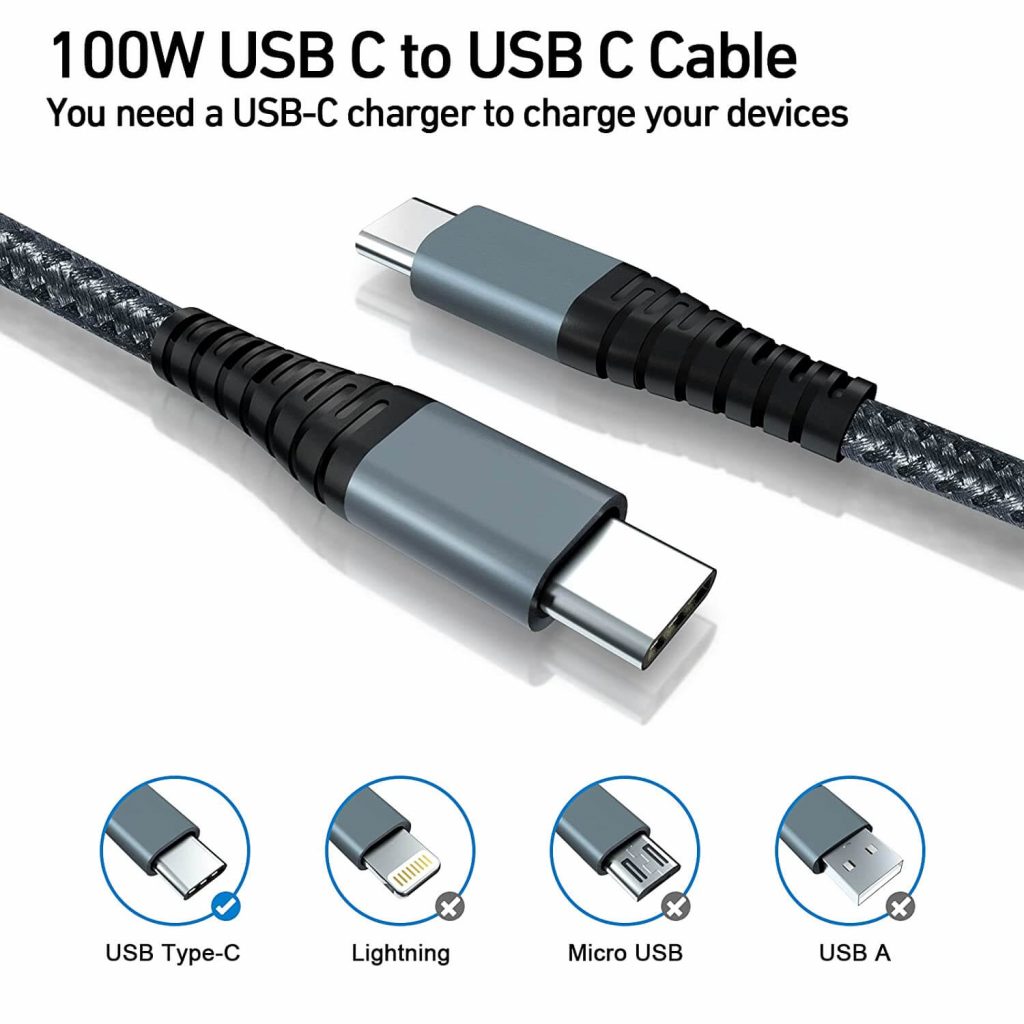
Understanding USB-C: Key Features and Benefits
USB-C is quickly becoming the universal standard for data transfer and charging across various devices. One of its key features is its reversible design, allowing users to plug in connectors either way, eliminating the frustration often associated with traditional USB interfaces. Moreover, USB-C supports faster data transfer rates, with USB 3.1 offering speeds up to 10 Gbps, making it ideal for transferring large files, such as videos and high-resolution images. Additionally, it supports Power Delivery, which can deliver up to 100W of power, enabling rapid charging of laptops, smartphones, and tablets.
Another significant advantage of USB-C is its versatility. It is capable of carrying various types of data, including video output. With support for protocols like DisplayPort and HDMI, a single USB-C port can connect to multiple external displays, making it an excellent option for professionals who require multi-monitor setups. Furthermore, as the tech industry continues to embrace this standard, users can expect wider compatibility across devices, reducing the need for multiple types of cables. In summary, understanding the features and benefits of USB-C can greatly enhance your experience with modern technology.
Counter-Strike is a popular first-person shooter game that has captivated gamers since its release in the late 1990s. With its emphasis on team play and strategic gameplay, it has become a staple in the competitive gaming scene. Players often look to enhance their gaming experience, and investing in the right equipment can make a significant difference. For example, check out the Top 10 external monitors for mac to find the perfect display to improve your gaming visuals.
The Versatility of USB-C: What Devices Can You Use?
USB-C has quickly become the universal standard for connecting a wide range of devices due to its versatility and efficiency. This connector type supports various protocols, making it suitable for everything from charging your smartphone to connecting high-resolution displays. Some of the most common devices that utilize USB-C include:
- Smartphones - Many flagship models from brands like Apple, Samsung, and Google now feature USB-C ports for charging and data transfer.
- Laptops - Most new laptops, including those from Dell, HP, and Apple, leverage USB-C for power delivery and data connections.
- Tablets - Tablets like the iPad Pro and various Android alternatives use USB-C for charging and accessory connections.
- Peripheral Devices - Items such as external hard drives, keyboards, and mice are increasingly making the switch to USB-C.
Beyond these common devices, USB-C also supports a range of innovative technologies that enhance its usability. For instance, various monitors and docking stations utilize USB-C for both video output and power delivery, simplifying workspace setups. Moreover, accessories like cameras, drones, and even gaming consoles are incorporating USB-C to streamline connections and charging. As this standard continues to evolve, we can expect even more gadgets to adopt USB-C, solidifying its role as a truly versatile and future-proof connection solution.
USB-C vs. Other Connectors: Why Switch to USB-C?
As technology continues to evolve, USB-C has emerged as the leading choice for connectivity. Unlike its predecessors, USB-C offers a reversible design, making it easier to connect devices without worrying about orientation. Additionally, USB-C supports a higher data transfer rate and can deliver up to 100 watts of power, enabling faster charging for a wide variety of devices, including laptops and smartphones. This versatility makes it a superior option when compared to older connectors like USB-A and USB-B, which have limitations in both speed and power delivery.
Switching to USB-C not only enhances the functionality of your devices but also promotes a more streamlined and efficient environment. With the capability to support multiple protocols, such as DisplayPort and HDMI, USB-C allows for seamless connections to monitors and other peripherals. Furthermore, adopting this universal connector can reduce the clutter of cables and adapters, simplifying your tech setup. In a world increasingly focused on interoperability and convenience, choosing USB-C is a smart move for anyone looking to future-proof their technology.