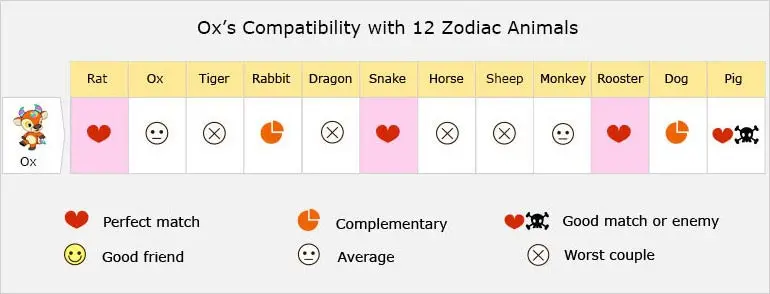
Unveiling the Cosmos: How Astrological Signs Influence Unexpected Compatibility
In the vast landscape of astrology, astrological signs serve as a celestial map that can unveil deeper intricacies of human relationships. Each sign, characterized by its unique traits and elements, can lead to unexpected compatibility with others. For example, a fiery Aries may seem at odds with a soothing Cancer, yet their differences can create a dynamic balance. Understanding these correlations can empower individuals to navigate their social circles with more empathy and insight, creating relationships based on mutual growth.
Moreover, the influence of astrological signs transcends mere personality traits; it delves into emotional connections and communicative styles. Gemini's adaptability might unexpectedly align harmoniously with Virgo's practicality, making their interactions enriching and multifaceted. Additionally, the combination of challenging signs, like the stubborn Taurus and the liberal Aquarius, can foster profound understanding and resilience. By unveiling the cosmos through astrology, we can appreciate the intricate web of compatibility that helps us connect, grow, and thrive in our relationships.
Counter-Strike is a highly popular multiplayer first-person shooter game that has developed a dedicated player base over the years. Players can choose to play as either terrorists or counter-terrorists in objective-based matches, showcasing teamwork and strategy. For those looking to customize their gaming experience, you might want to check out the Top 10 apple tv remote covers for a more personalized setup.
The Science Behind Serendipity: What Makes Unlikely Pairings Work?
Serendipity, often described as the occurrence of events by chance in a happy or beneficial way, plays a fascinating role in various fields, from science to art. The essence of serendipity lies in its ability to create unlikely pairings that can lead to groundbreaking discoveries. For instance, the unexpected combinations of ideas in brainstorming sessions can spark innovation, while the fusion of diverse art forms can result in unique masterpieces. Understanding what makes unlikely pairings work involves exploring the psychological and sociocultural factors that facilitate creativity and openness to new experiences.
At the heart of serendipity is the human tendency to find patterns and connections in seemingly unrelated elements. Researchers suggest that when individuals engage with a range of disciplines, they enhance their cognitive flexibility, allowing for unexpected correlations to emerge. A study published in the Journal of Creative Behavior indicates that collaboration between people with diverse backgrounds not only enriches the creative process but also results in innovative outcomes that reflect the harmony found in unconventional pairings. Thus, embracing the unpredictable nature of serendipity can pave the way for new ideas and transformative experiences.
Can Opposites Attract? Exploring the Dynamics of Unconventional Relationships
The age-old question, can opposites attract? This concept has been a subject of fascination for many, suggesting that individuals with contrasting personalities, values, or interests can forge deep and meaningful connections. For example, an introverted person may find excitement and new perspectives in a more extroverted partner. This dynamic can create a unique balance in a relationship, where each partner serves as a complement to the other. Over time, these differences might foster personal growth and lead to unprecedented emotional bonds.
However, the success of such unconventional relationships often depends on the ability of both partners to embrace their differences and communicate effectively. Instead of viewing their contrasting traits as obstacles, they can leverage these attributes to enrich their shared experiences. Setting aside preconceived notions about compatibility can pave the way for a stronger connection built on mutual respect and understanding. Ultimately, the question remains: can opposites attract, and if so, how can these dynamics enhance the depth of a relationship?