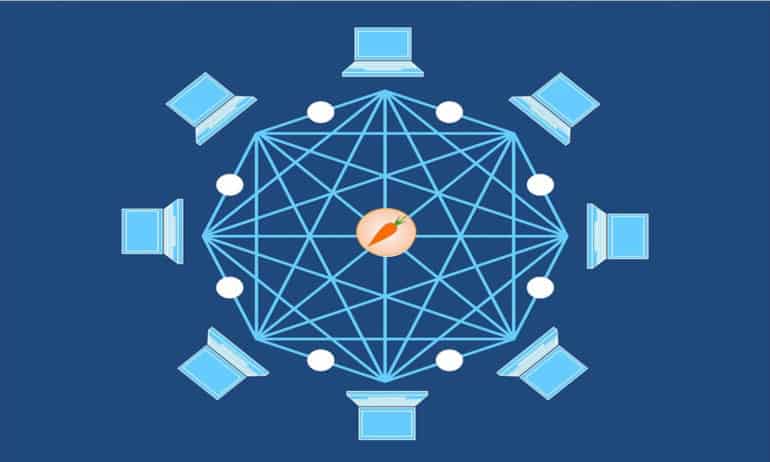
Unlocking the Secrets of Blockchain: Top 5 Tools for Transparency
In the ever-evolving landscape of technology, blockchain has emerged as a revolutionary force, particularly noted for its ability to enhance transparency across various sectors. Understanding the tools that harness this potential is crucial for businesses looking to leverage blockchain for improved operations. Here are the top 5 tools that can help unlock the secrets of blockchain and promote transparency:
- Ethereum: This robust platform allows developers to create decentralized applications (dApps) and smart contracts, facilitating transparent transactions.
- Hyperledger Fabric: An open-source framework that offers modularity and versatility, ensuring secure and transparent collaborations between enterprises.
- Chainalysis: A comprehensive blockchain analysis tool that provides insights into the flow of cryptocurrencies, enhancing accountability.
- Blockstream: Known for its Bitcoin-focused tools, Blockstream provides solutions for businesses aiming to integrate transparency using blockchain technology.
- Ripple: Primarily known for its interbank payment solutions, Ripple also offers transparency through its decentralized ledger, making cross-border transactions clear and auditable.
Counter-Strike is a popular multiplayer first-person shooter that emphasizes teamwork and strategy. Players can take on the roles of terrorists or counter-terrorists in various mission-based scenarios. For those looking to enhance their gaming experience, using a cloudbet promo code can provide exciting benefits and bonuses.
How to Trace Transactions: A Step-by-Step Guide for Blockchain Sleuths
Tracking transactions on the blockchain can seem daunting, but with the right tools and knowledge, anyone can become a proficient blockchain sleuth. To start, you'll need to choose a suitable blockchain explorer, such as Blockchair or Etherscan, which allows you to access detailed information about specific transactions. Once you've selected an explorer, simply enter the transaction ID (TXID) in the search bar to reveal important details such as the transaction's status, date, and the wallet addresses involved. This is just the first step in tracing transactions.
After retrieving the transaction data, you can delve deeper by following these steps:
- Analyze inputs and outputs: Identify the sender and receiver addresses to understand the flow of funds.
- Check confirmations: Look at the number of confirmations to assess the transaction's reliability.
- Explore linked addresses: Use the explorer to view other transactions related to the addresses involved, which can help uncover patterns.
By systematically scrutinizing these elements, you'll enhance your skills in tracing blockchain transactions and apply these insights to real-world scenarios, whether for personal use, research, or security analysis.
What are the Best Practices for Ensuring Blockchain Transparency?
Blockchain transparency is essential for building trust among users and stakeholders, but achieving it requires adherence to several best practices. First and foremost, ensure that all transactions are recorded on a public ledger. This allows anyone to verify the legitimacy of the transactions and audit the system without needing special permissions. Utilizing open-source software for your blockchain platform can also enhance transparency, as it allows developers and users alike to inspect the code and identify potential flaws or areas for improvement.
Another critical best practice for ensuring blockchain transparency is to implement robust governance frameworks. Establishing clearly defined rules for how decisions are made, who has access to critical data, and how conflicts are resolved can help mitigate trust issues within the ecosystem. Additionally, providing educational resources that explain how blockchain technology works reinforces transparency; when users understand the mechanics of the blockchain, they are more likely to trust it. By focusing on these practices, organizations can significantly enhance the transparency and integrity of their blockchain systems.